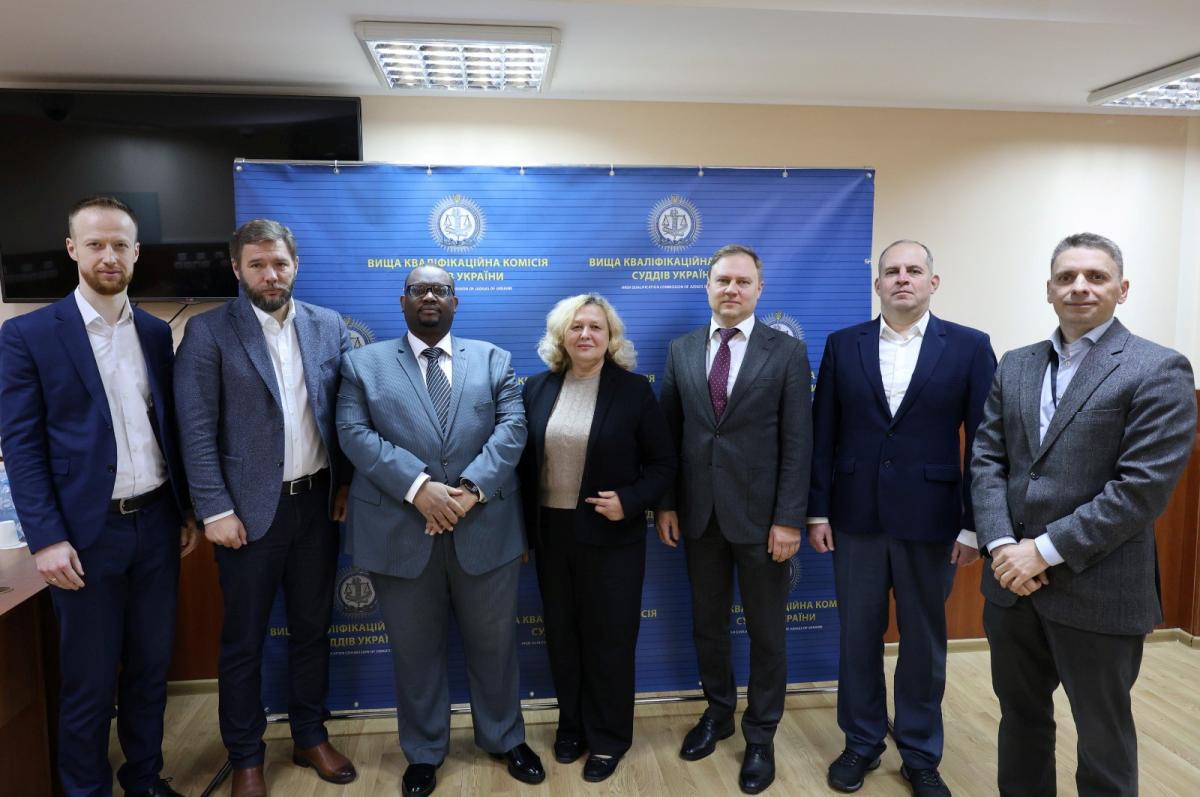
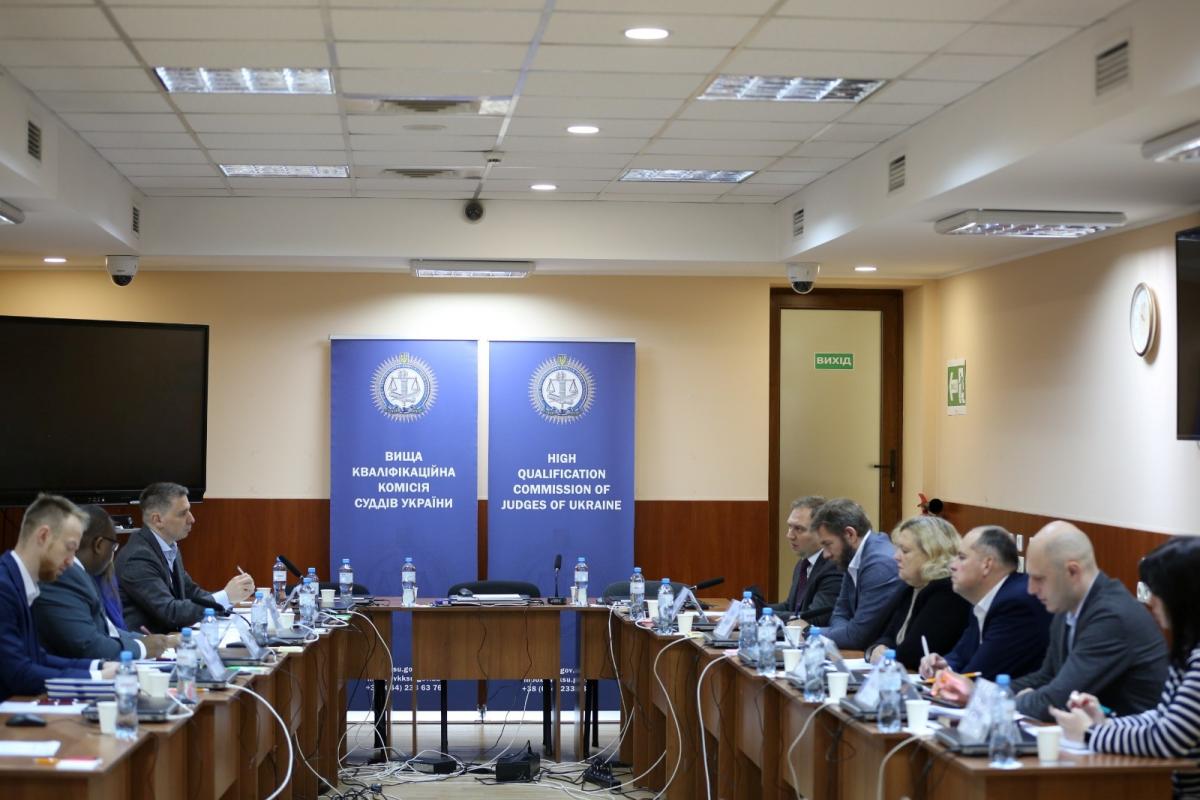
On 20 October 2026, amid another russian attack involving strike drones, members of the High Qualification Commission of Judges of Ukraine held a working meeting with representatives of the International Development Law Organization (IDLO), a longstanding international partner of the Commission.
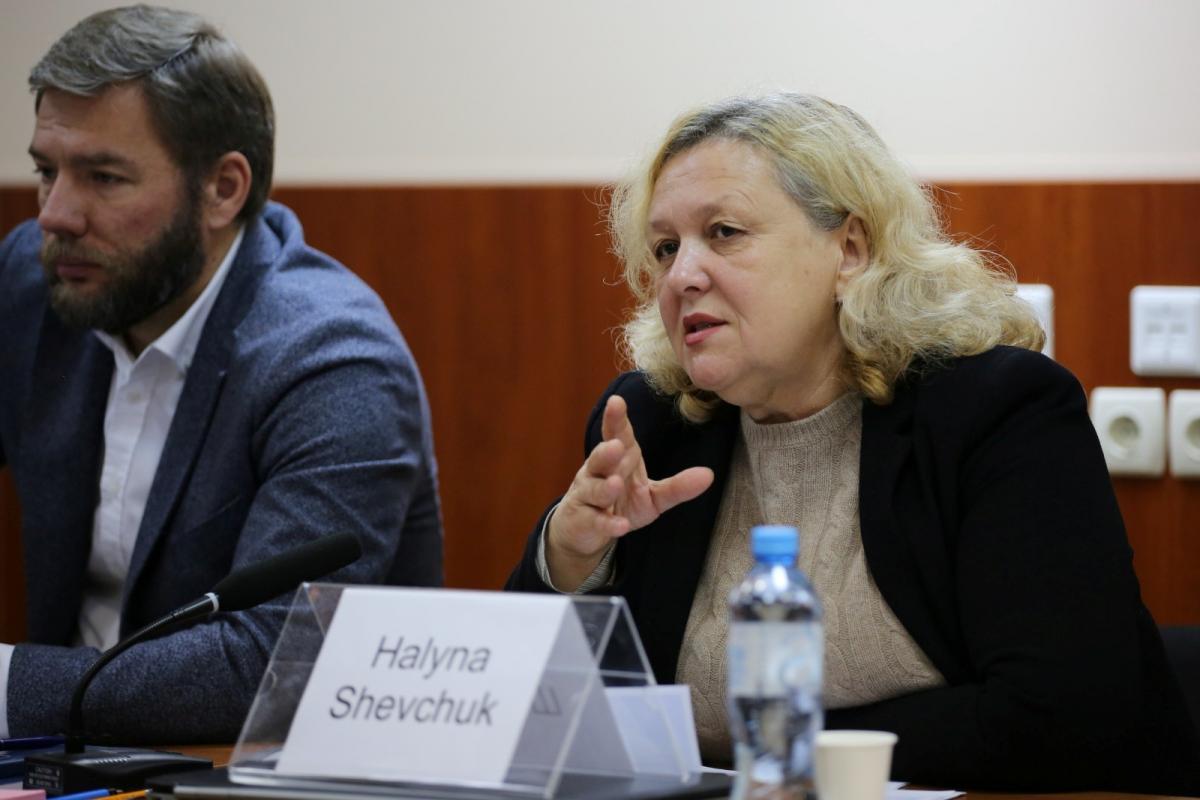
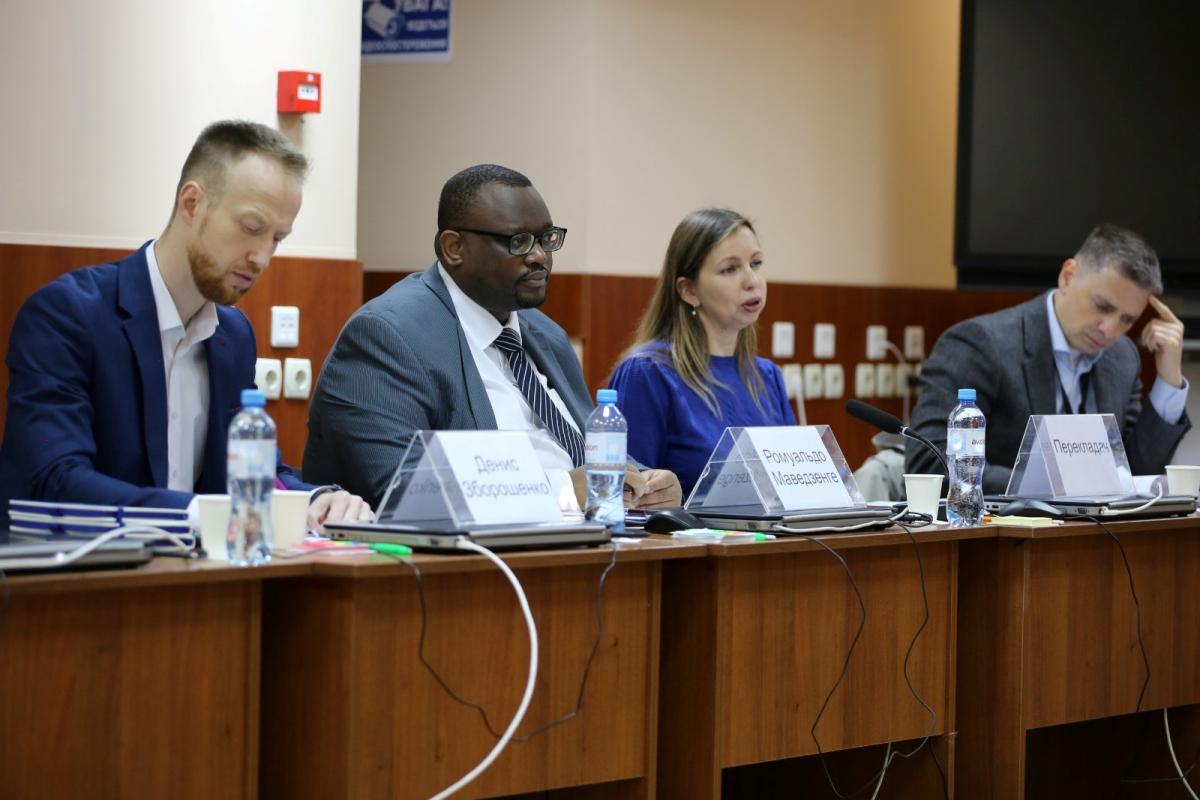
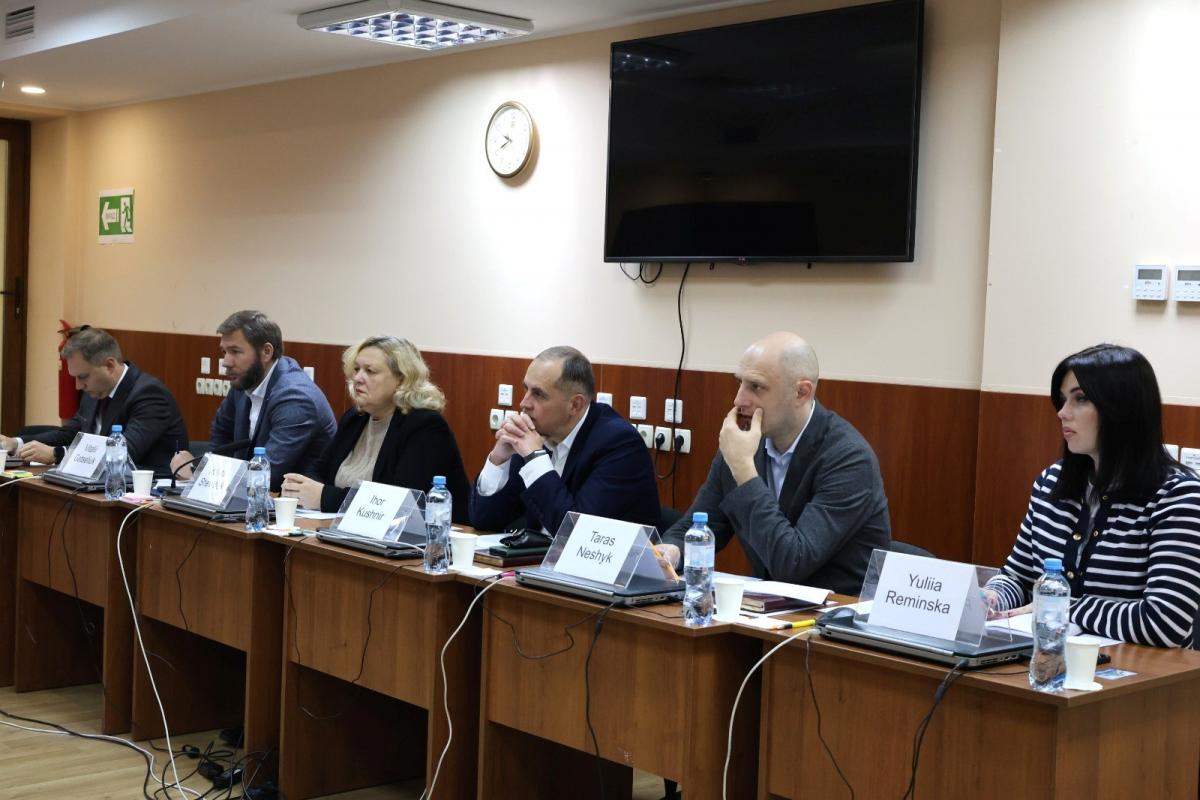
The meeting was attended by Acting Chairman of the Commission Halyna Shevchuk and Commission members Vitalii Gatseliuk, Ihor Kushnir and Andrii Pasichnyk. Deputy Head of the Commission’s Secretariat Taras Neshyk and Head of the International Cooperation Department Yuliia Reminska also joined the meeting. IDLO was represented by Director of Programmes Romualdo Mavedzenge, Country Manager for Ukraine Levan Duchidze and Programme Manager Denys Zboroshenko.
Opening the meeting, Halyna Shevchuk thanked IDLO representatives for the significant contribution that the Organization’s projects had made to supporting judicial selection procedures and qualification assessment following the restoration of the HQCJ’s authority in 2023. She particularly highlighted the expert and logistical support provided for the competition to fill judicial vacancies at the High Anti-Corruption Court, as well as assistance in developing the revised Code of Judicial Ethics and its Commentary. Halyna Shevchuk stressed that, despite the substantial number of procedures already completed, the Commission still faced numerous tasks requiring adequate expertise, staffing and technological resources. In this context, the Commission highly values IDLO’s willingness to continue professional dialogue and expand cooperation.
For his part, IDLO Country Manager for Ukraine Levan Duchidze emphasised the importance of the partnership with the HQCJ and announced IDLO’s intention to consult donors and partners on the most effective ways to strengthen the Commission’s technical capacity. He expressed hope that a coordinated approach could be developed to address the challenges arising from the deteriorating security situation.
IDLO Director of Programmes Romualdo Mavedzenge stressed the fundamental importance of building a professional, independent judiciary of integrity to uphold the rule of law and ensure the long-term resilience of Ukraine’s legal system. He also highlighted IDLO’s global mission as the only intergovernmental organisation devoted exclusively to promoting the rule of law. Sharing his impressions of his first visit to Ukraine, Romualdo Mavedzenge expressed solidarity with the Ukrainian people, acknowledged the difficult security conditions in which the Commission continues to exercise its powers, and reaffirmed IDLO’s interest in further developing the partnership.
During the discussion, the parties reviewed the results of international technical assistance projects implemented in 2023–2026 and IDLO’s efforts to ensure the continuity of project activities and support for reforms amid changes in international donor assistance.
The meeting also addressed expert and organisational support for the competition to fill judicial vacancies at courts of appeal, competitions for positions at the High Anti-Corruption Court and the newly established higher specialised administrative courts, preparations for the forthcoming competition for positions at the Supreme Court, and possible improvements to the legislation governing the status and powers of the Public Integrity Council and the mechanisms for its interaction with the Commission.
The discussion also covered the use of artificial intelligence technologies to streamline certain work processes. The parties explored opportunities to introduce tools for the automated collection, systematisation and analysis of information on judges and candidates for judicial positions from various sources. Such solutions could help reduce the time required to process large volumes of data, prepare standardised analytical materials, and improve the efficiency of judicial selection procedures and qualification asessment. At the same time, participants stressed that the use of innovative technologies must be underpinned by an appropriate regulatory framework, compliance with personal data protection requirements, the principles of transparency and accountability, and mandatory human oversight. Technological tools must remain supportive and must not replace professional assessment or decision-making by those authorised to perform these functions.
In this context, Halyna Shevchuk drew attention to Article 16 of the Code of Judicial Ethics, the revised version of which was approved in September 2024. She recalled that the Code allows judges to use artificial intelligence technologies subject to established restrictions, particularly those concerning judicial independence and impartiality, the assessment of evidence and the decision-making process.
IDLO representatives welcomed the potential of the initiatives discussed, noting the relevance of the digital transformation of legal institutions and the responsible introduction of innovative technologies into modern justice systems.
At the conclusion of the meeting, the parties reaffirmed their mutual interest in continuing constructive dialogue on strengthening the Commission’s institutional capacity, implementing judicial reform and fulfilling Ukraine’s commitments relating to European integration.